Developer tools
Python Software Foundation
PC
Windows 10 version 19044.0 or higher
Integrated Keyboard
English (United States)
Python Install Manager for Windows, developed by the Python Software Foundation, offers a centralized, user-friendly platform to install, update, and manage multiple Python versions seamlessly. Its main aim is to simplify Python environment setups for developers, educators, and students alike, making Python management more intuitive and efficient on Windows systems.
The Python Install Manager for Windows is designed as a lightweight yet powerful tool specific to Windows users who need a straightforward way to handle their Python installations. Developed and maintained by the authoritative Python Software Foundation, the app embodies reliability and community trust. Its standout features include multi-version management, one-click environment setup, and automatic updates, making Python projects less cluttered and more organized. The target audience spans from novice coders and learners to seasoned developers who want to streamline version control without complex commands or multiple downloads.
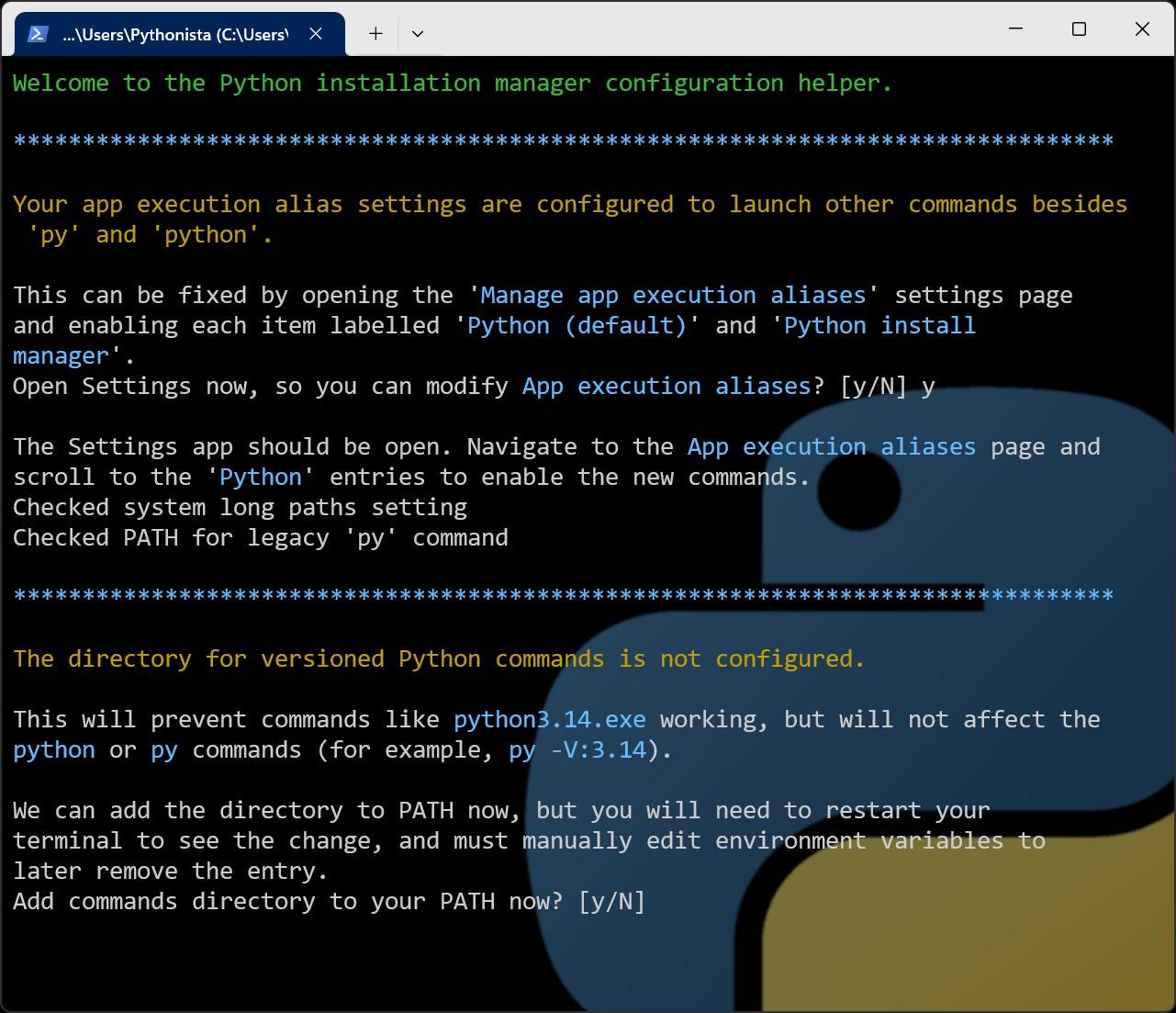
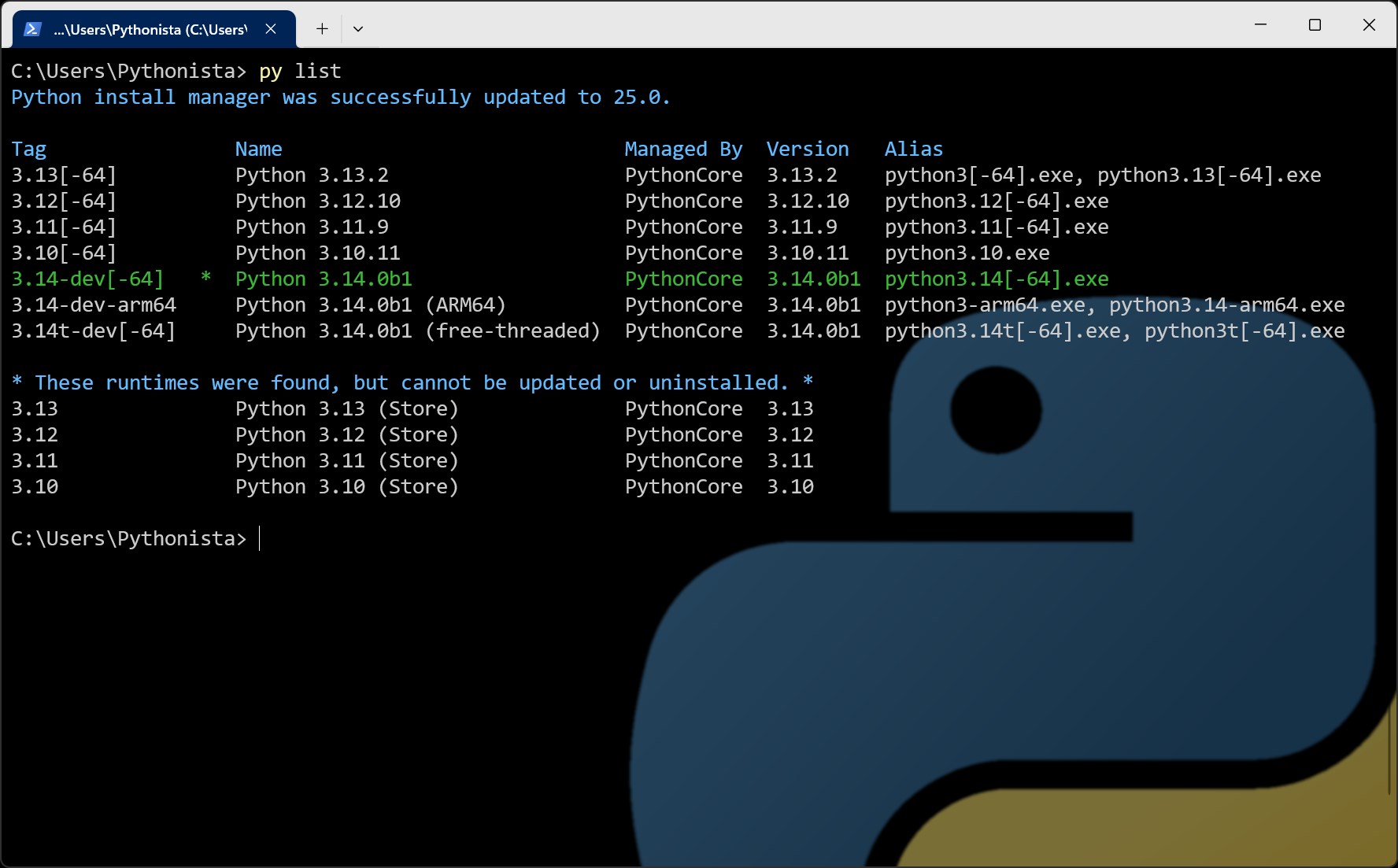
Launching this application feels like opening the door to a tidy, well-organized workspace. The interface boasts a clean, minimalistic design akin to a neat toolbox—everything in its place with clear labels. Navigating through the options feels natural, as if guided by an experienced friend showing you the ropes. Operations such as installing a new Python version, removing outdated ones, or switching between environments happen with just a few clicks. The app's operation flow ensures a smooth experience, suitable even for those just starting to explore Python environments. Its straightforward layout removes the usual friction encountered in command-line management, making Python environment configuration accessible to a wider audience.
The most compelling aspect of this tool is its dual-mode management feature—combining GUI-based simplicity with advanced command-line options. Unlike many registry-heavy or deeply technical installers, the Python Install Manager provides a visual interface that acts like a command center for your Python worlds, but also allows for expert-level control when needed. This duality caters perfectly to the spectrum of user expertise—novices can comfortably use the GUI, while power users can delve into more complex configurations via integrated CLI options. Furthermore, the app's automatic update system ensures users stay current with the latest Python releases without manual intervention, which is an often overlooked but invaluable feature.
In essence, Python Install Manager for Windows is a practical, neatly packaged utility that makes managing multiple Python versions less of a headache. Its user-friendly design, combined with the power of dual management modes and effortless updates, sets it apart from more complicated tools relying solely on command-line interfaces or manually downloaded installers. While it doesn't aim to replace full development environments, it excels at handling core Python setup tasks efficiently. I'd recommend it to beginners eager to set up Python environments quickly, as well as seasoned developers seeking a tidy way to juggle multiple Python versions. If your Windows machine often serves as a playground for Python experiments, this app will undoubtedly become a trusted sidekick.
Easy installation process
Integrated package management
Regular updates and improvements
User-friendly interface
Supports multiple Python versions
Limited customization options
Occasional installation failures
Lack of detailed troubleshooting guides
Slow performance with large packages
Limited cross-platform support outside Windows

for Windows
 5
5

for Windows
4.6

for Windows
4.6

for Windows
4.6

for Windows
4.5

for Windows
4.4

for Windows
4.4

for Windows
4.3

for Windows
4.3

for Windows
4.3

for Windows
4.3

for Windows
4.2

for Windows
5

for Windows
5
for Windows
5

for Windows
5

for Windows
5

for Windows
5

for Windows
5

for Windows
5

for Windows
5

for Windows
5