Medical
Visible Body
PC
Windows 10 version 19041.0 or higher
Version 10
Chinese (Simplified), English, English (United States), French, German, Italian, Japanese, Spanish
Imagine having a detailed, interactive map of the human body right at your fingertips, capable of revealing layers of muscle, bone, and organs in vivid 3D. That's exactly what Human Anatomy Atlas 2026 offers—a powerful educational tool designed to bring human anatomy to life for students, educators, and healthcare professionals alike.
Created by the innovative team at Visible Body, a leader in interactive medical content, Human Anatomy Atlas 2026 benefits from years of experience in producing accurate, user-friendly anatomy resources. Their commitment to high-quality visuals and reliable information ensures users get a credible and immersive learning experience.
The app targets a broad audience—from medical students, teachers, and healthcare practitioners to anatomical enthusiasts—seeking a detailed yet accessible exploration of human anatomy.
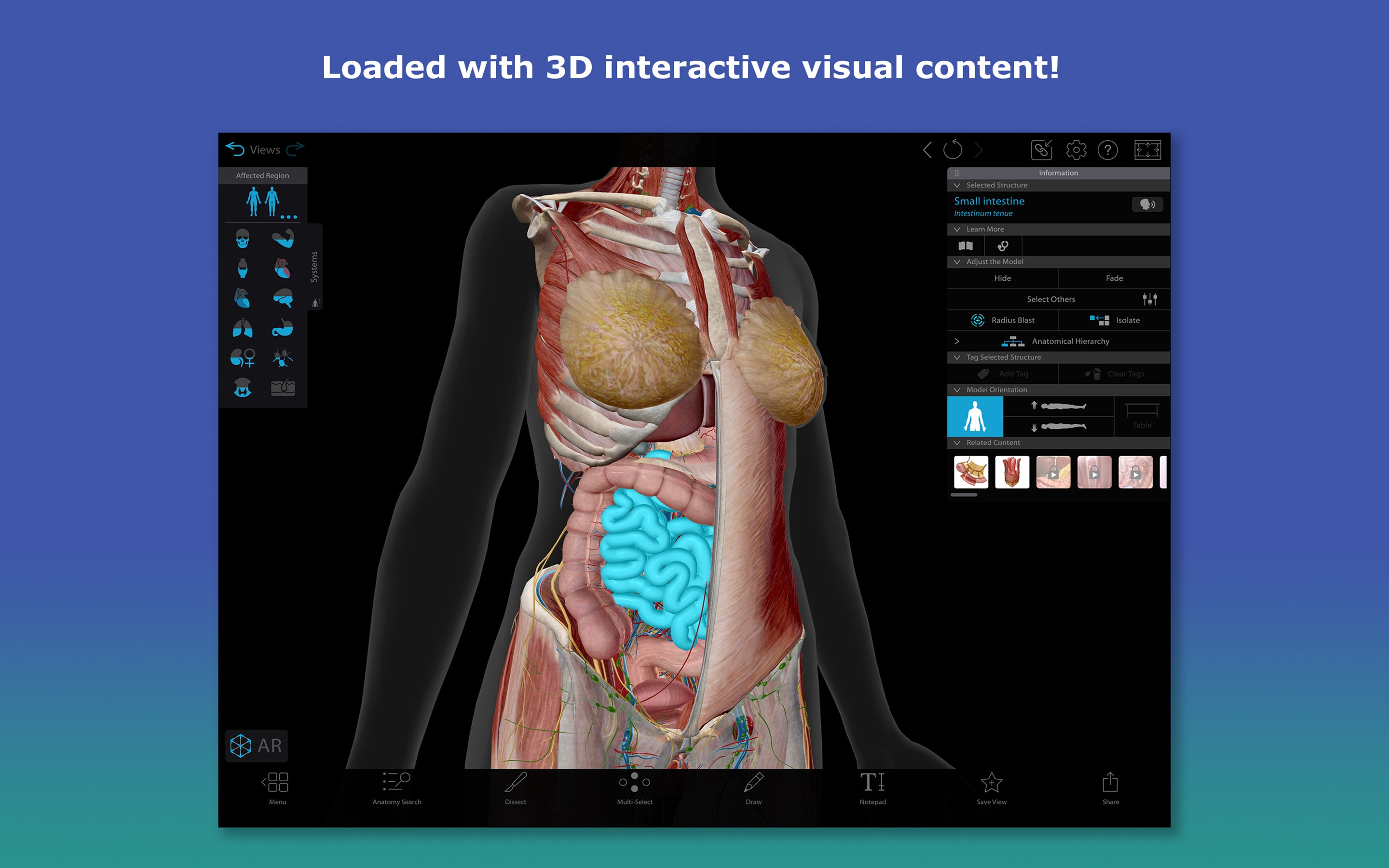
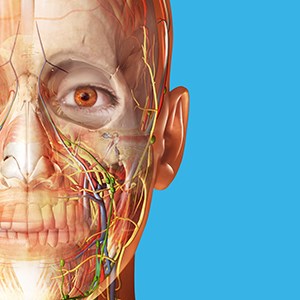
Stepping into Human Anatomy Atlas 2026 feels akin to donning a virtual lab coat and stepping inside a sophisticated anatomy museum. The app's interface is designed to be both inviting and intuitive, with a 3D workspace that responds smoothly to gestures—rotate, tilt, and dissect with ease. The first thing you notice is the high-fidelity visuals; each organ and system is rendered with realistic textures and colors that make dissecting layers feel natural, almost like peeling back the layers of a giant anatomical onion.
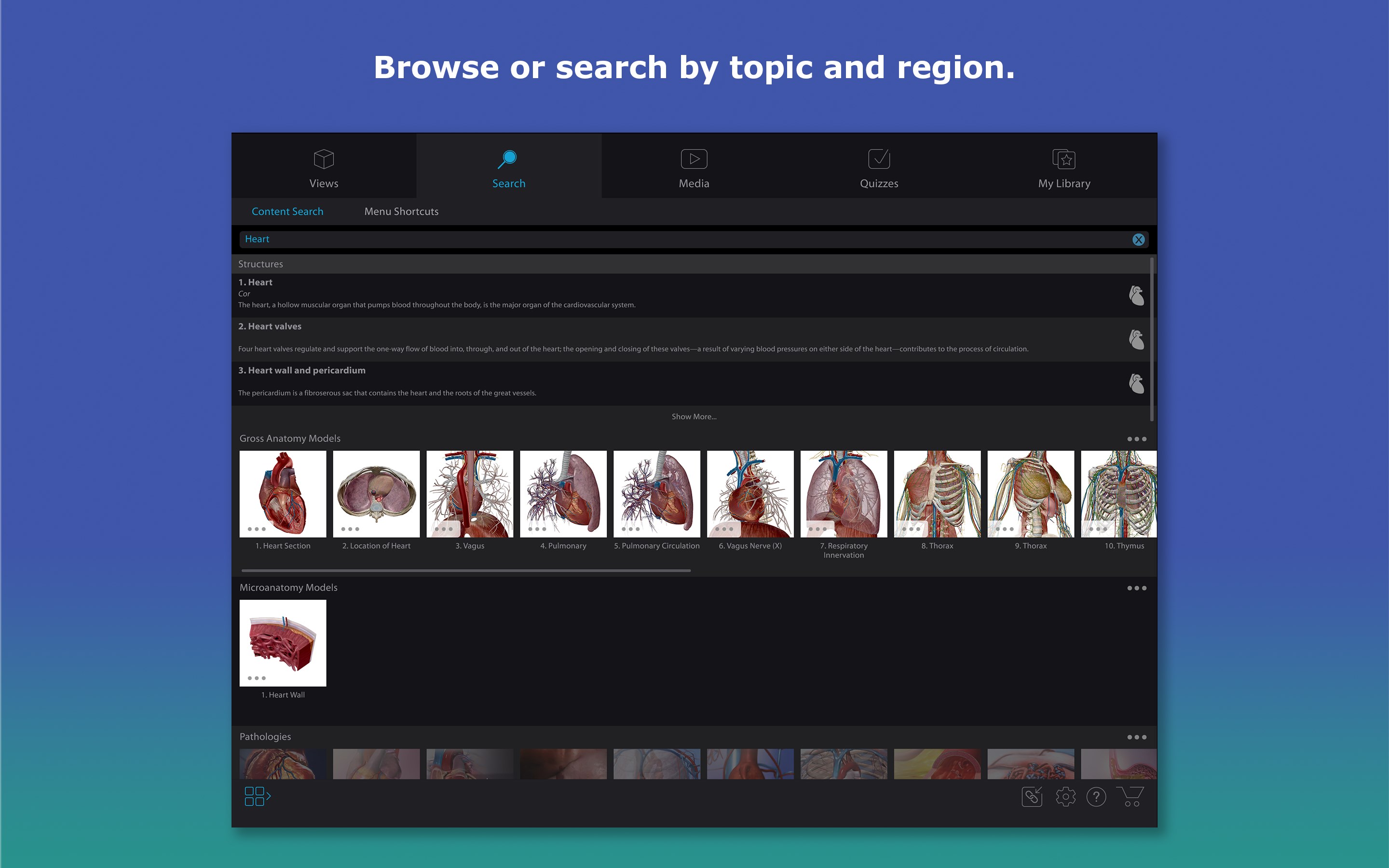
Navigation through models is swift and intuitive, thanks to the clean layout and responsive controls. The learning curve is gentle, even for those new to 3D anatomy tools. Users can quickly access different views or toggle labels, making self-guided exploration or structured lessons straightforward. This seamless experience encourages prolonged study sessions without frustrating delays or awkward interface hurdles.
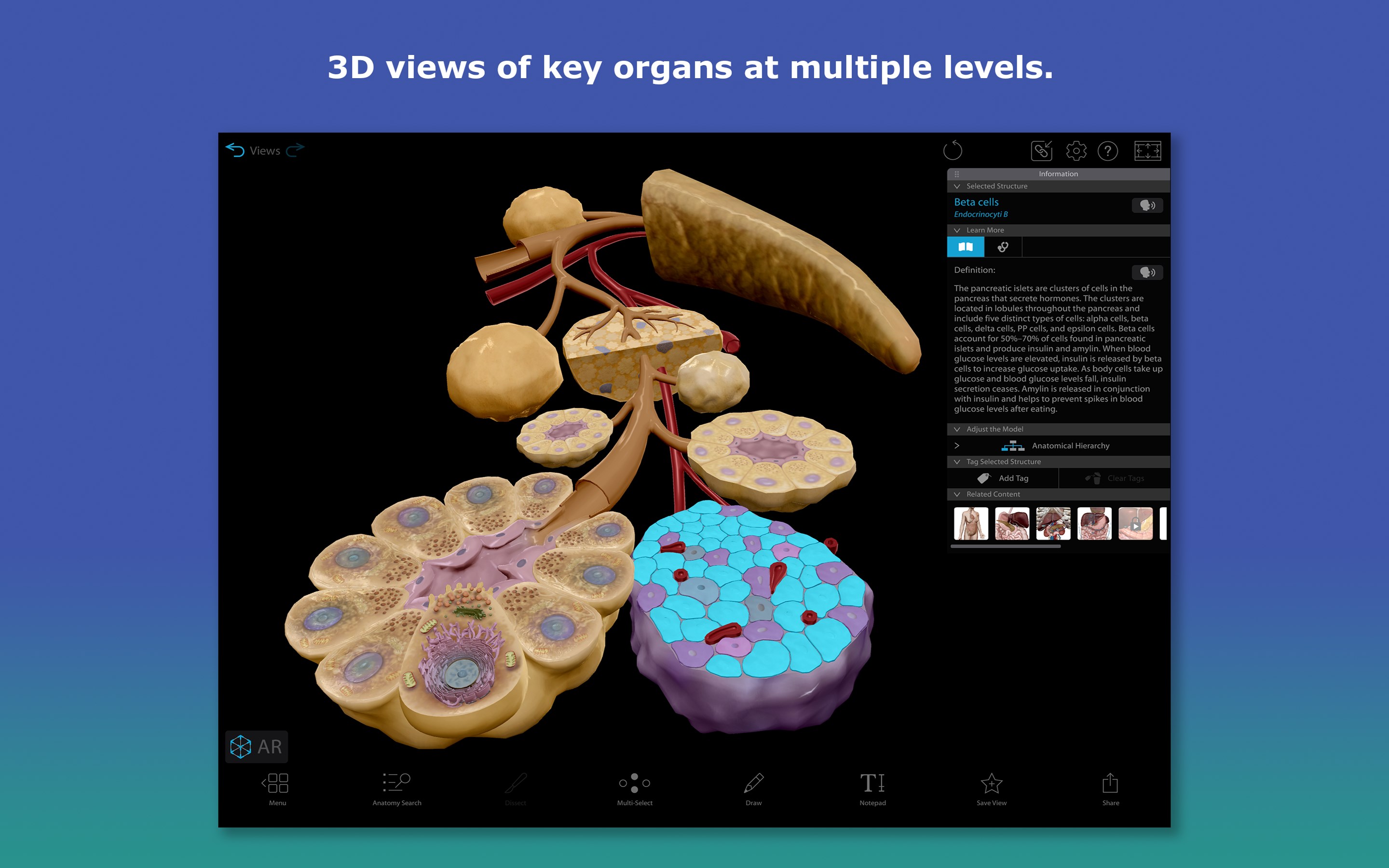
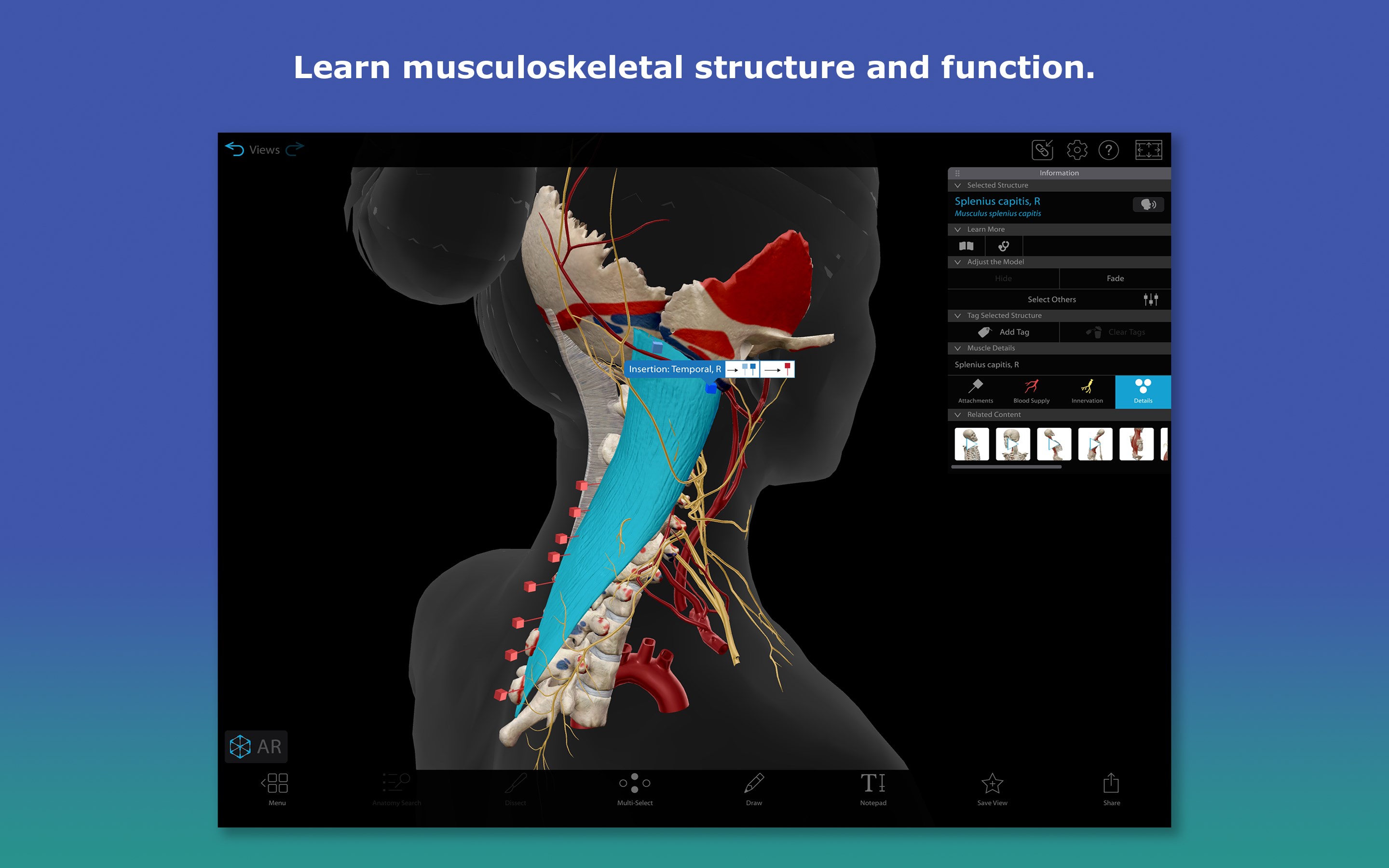
The true magic of Human Anatomy Atlas 2026 lies in its layered dissection capabilities. Imagine peeling back a skin layer to reveal muscles, then removing muscles to expose bones and neurovascular structures underneath—this virtual dissection mimics real-world anatomy labs but with much less mess and constraint. You can isolate particular systems or view the entire body in a composite, enhancing understanding of complex spatial relationships. The app also allows users to highlight specific parts and save custom views for review, making it a handy tool for exam preparation or patient education.
Beyond static models, the Atlas incorporates interactive quizzes and guided tours that reinforce learning and clarify intricate details. For example, users can test their knowledge by labeling parts or answering multiple-choice questions embedded within the app. Because the content is reviewed by medical professionals, its accuracy lends significant credibility, especially compared to more superficial apps. This expert validation ensures users are getting information that's not only comprehensive but also trustworthy, making the Atlas invaluable for clinical reference or academic study.
From a usability standpoint, Human Anatomy Atlas 2026 excels in delivering a smooth, distraction-free experience. It's like having a pocket-sized anatomy lab—responsive, clear, and engaging. The high-quality textures and realistic movements make exploring the human body engaging without feeling overwhelming. For beginners, the guided tours serve as an excellent onboarding, while advanced users can enjoy intricate dissections and detailed model customization.
Compared to other medical apps, this Atlas's standout feature is its emphasis on credibility combined with rich interactivity. Many competitors offer 3D models, but few integrate expert-reviewed content seamlessly with immersive visualization. This combination makes it particularly attractive for medical students, educators, and clinicians who require precise, reliable information coupled with an engaging learning platform.
All things considered, Human Anatomy Atlas 2026 is highly recommended for anyone serious about understanding human anatomy in depth. Its detailed models, expert-validated content, and intuitive interface make it a standout choice among medical visualization apps. Whether used as a supplement to traditional study methods or as a primary learning resource, this app offers a virtual dissection experience that is both enriching and efficient. While it requires a modest investment, the comprehensive and credible insights it provides make it a worthy addition to your educational toolkit. In short, if you're aiming for an engaging, reliable, and highly detailed anatomy exploration—this Atlas is definitely worth a try.
Highly detailed 3D models
Interactive educational features
Regular updates with new content
Cross-platform compatibility
Customizable views and labels
High system requirements
Occasional navigation lag
Limited offline content
Complex interface for beginners
Occasional bugs in annotations

for Windows
 5
5

for Windows
5

for Windows
5

for Windows
5

for Windows
5

for Windows
5

for Windows
5

for Windows
5

for Windows
5

for Windows
5