


Role playing
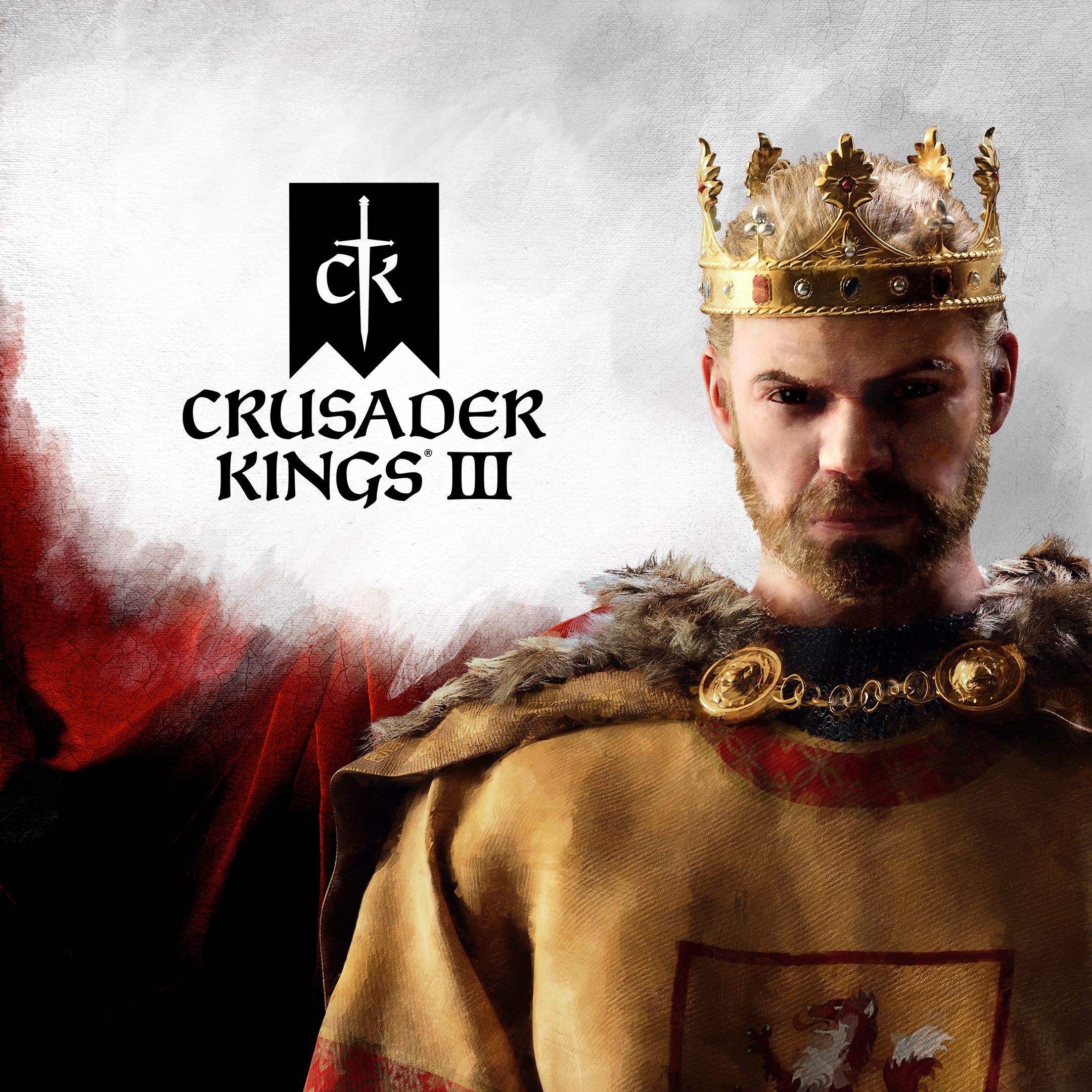
Crusader Kings III (CK3), developed by Paradox Interactive, is a grand strategy game that immerses players into the complex web of medieval noble dynasties, offering a multifaceted experience that blends political intrigue, character development, and storytelling. It is designed for history enthusiasts, strategy gamers, and narrative-driven players seeking a rich, sandbox environment to craft their own medieval saga.
Imagine stepping into the shoes of a medieval ruler, navigating treacherous political waters, forging alliances, and managing personal relationships—all while steering your dynasty through centuries of upheaval. CK3 excels at transforming this age-old setting into a living, breathing tapestry of choices and consequences. The game's core strength lies in its sophisticated character progression system and its emphasis on narrative depth—making each game session feel like a personalized tale.
One of CK3's most compelling features is its detailed character management. Unlike many strategy titles that treat leaders as faceless icons, CK3 invests heavily in character traits, ambitions, and relationships. Your ruler's personality influences decisions, alliances, and internal court dynamics, adding layers of realism and unpredictability. The game also offers a seamless integration of political, familial, and religious aspects, creating a multi-dimensional gameplay experience that keeps players engaged for hours on end.
The user interface is thoughtfully designed, balancing complexity with accessibility. Color-coded maps and clear menus make it easy for players to grasp the current state of their realm and make strategic decisions without feeling overwhelmed. During gameplay, the system runs smoothly, with responsive controls that facilitate swift actions—crucial in a game where timely decisions can mean the difference between empire flourishing or crumbling.
On the learning curve: CK3 might seem daunting at first, given its depth and numerous mechanics, but Paradox provides comprehensive tutorials and tooltips that help newcomers gradually familiarize themselves with the layers of gameplay. Once mastered, the interface becomes an intuitive conduit for creative storytelling and strategic planning.
What truly sets CK3 apart from other grand strategy games is its commitment to narrative immersion. Unlike traditional RPGs that focus heavily on character progression alone, CK3 employs a dynamic event system that reacts to your choices, creating a unique story with every playthrough. For instance, a single decision—whether to forge marriage alliances or suppress rebellions—can ripple through generations, affecting diplomatic relationships and internal stability.
A standout feature is its robust "character progression system," which not only develops traits over time but also allows for meaningful consequences of your actions. This mechanic grants players the power to shape personalities, ambitions, and rivalries, transforming a simple game of empire management into a compelling story of legacy and personal drama. Such depth in narrative choice and consequence is rare in strategy titles and gives CK3 a distinctive storytelling edge.
Crusader Kings III offers a sophisticated, engaging experience that marries strategic gameplay with rich storytelling. Its most distinctive features—the character progression system and the narrative's depth—make it stand out among its peers. While it demands patience and a willingness to learn, the payoff is a deeply rewarding simulation that enables you to craft a personal medieval saga.
For history buffs, strategists, and narrative lovers alike, CK3 is highly recommended as a thought-provoking and immersive game. It is best suited for those who enjoy slow-burn gameplay with substantial depth and are prepared to spend time exploring its intricate systems. If you're seeking a game where your decisions ripple across generations and your choices truly matter, Crusader Kings III should definitely be on your shortlist.
Deep and immersive gameplay
Rich historical accuracy
Extensive character customization
Regular updates and expansions
User-friendly interface
Steep learning curve
Occasional lag during complex scenes
Limited mod support on console versions
Visuals are somewhat dated compared to newer titles
Complex UI can be confusing initially

for Windows
 4.9
4.9
for Windows
4.9
for Windows
4.8
for Windows
4.8

for Windows
4.8
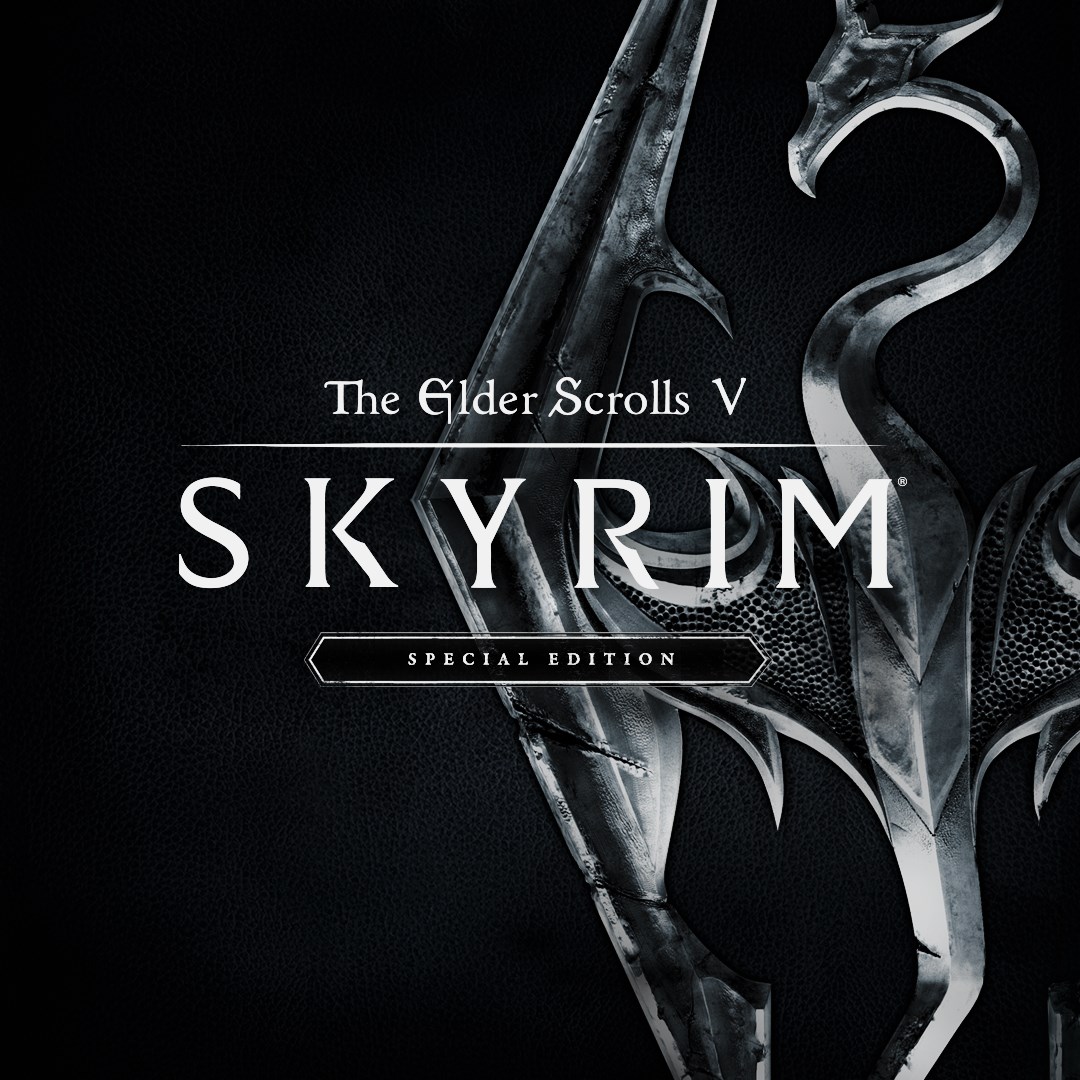
for Windows
4.7

for Windows
4.6
for Windows
4.6
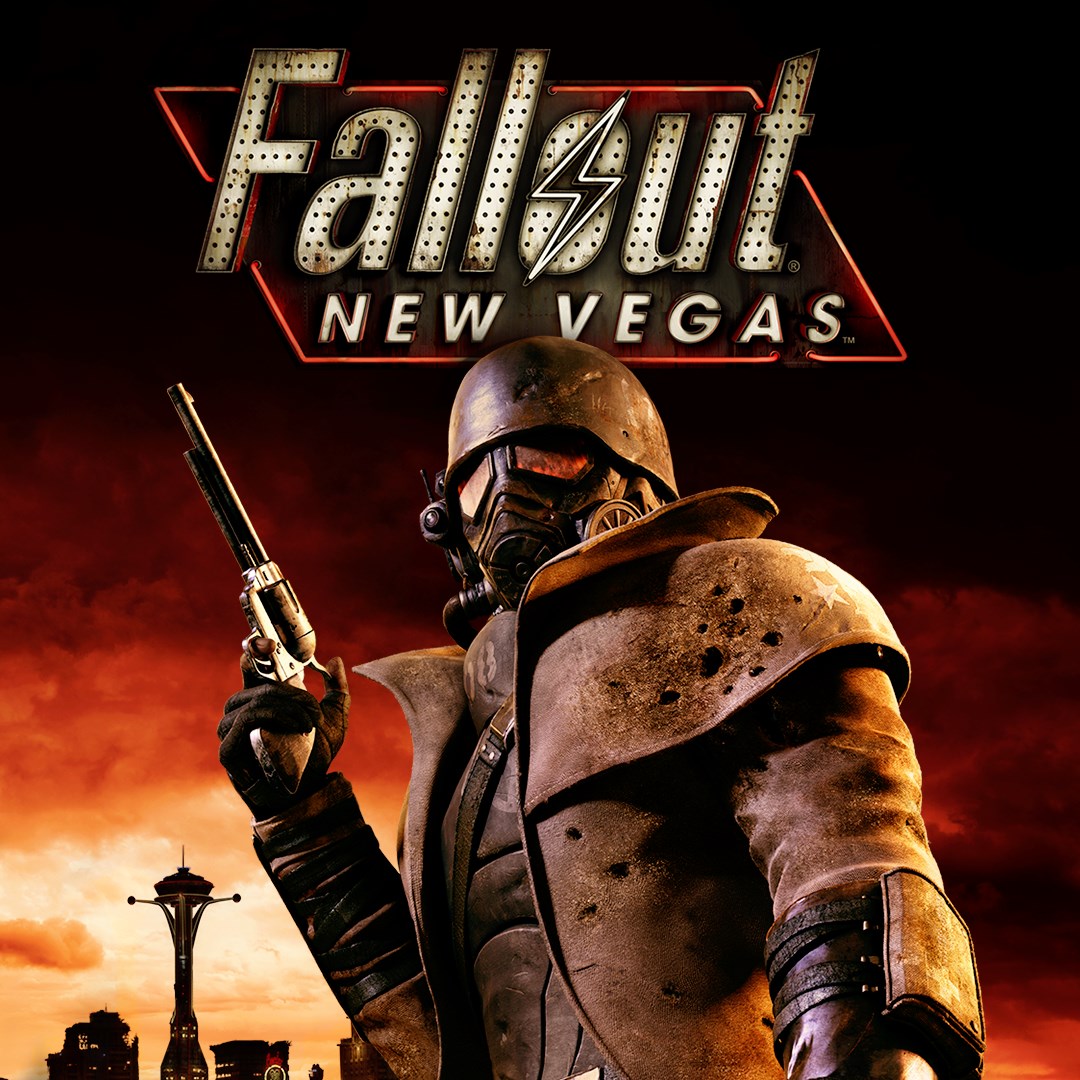
for Windows
4.6
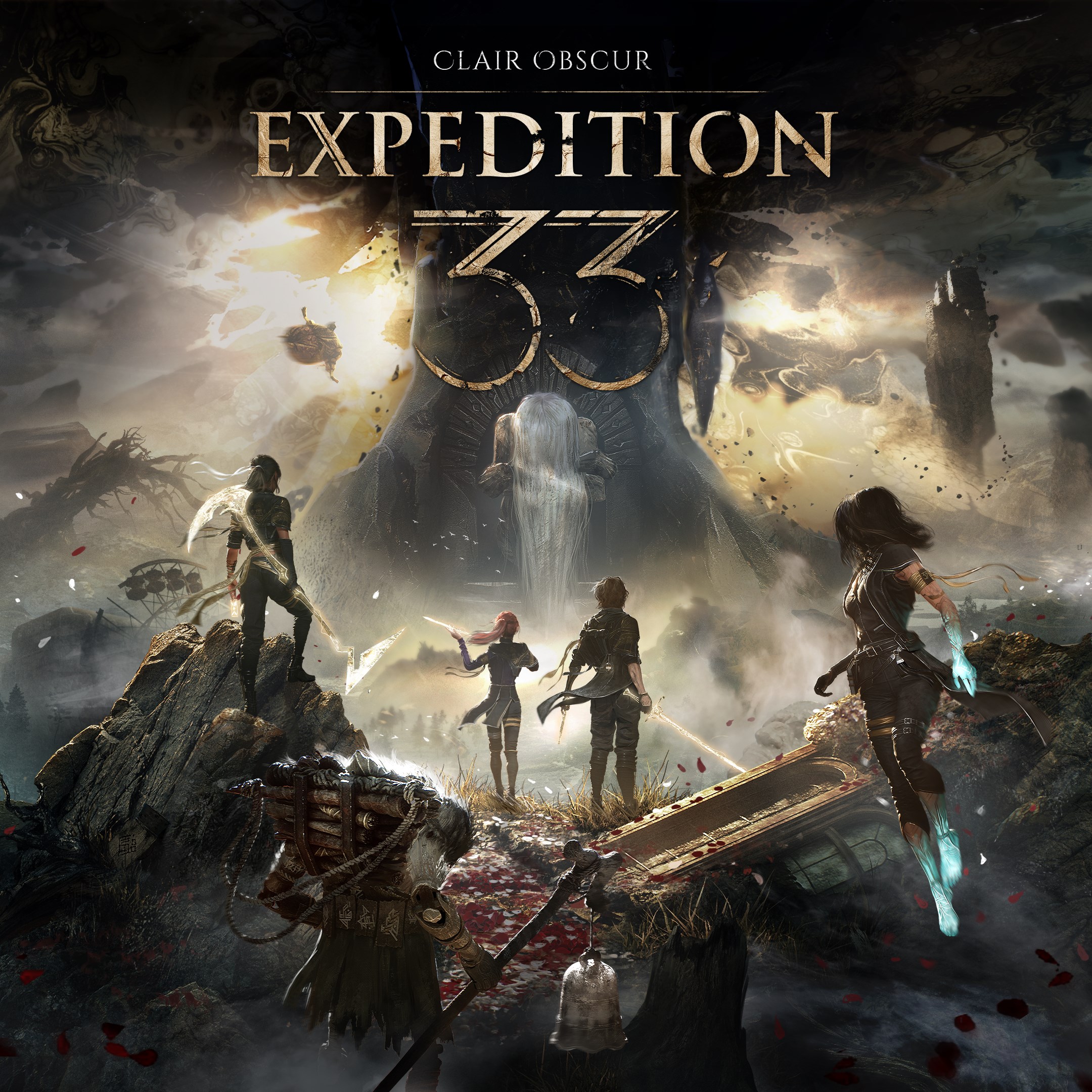
for Windows
4.6
for Windows
4.5
for Windows
4.4

for Windows
5

for Windows
5

for Windows
5

for Windows
5

for Windows
5

for Windows
5

for Windows
5

for Windows
5

for Windows
5

for Windows
5

